Bra MeasurementGuide
Learn how to measure yourself correctly for the most accurate bra size results. Follow our step-by-step guide with visual demonstrations.
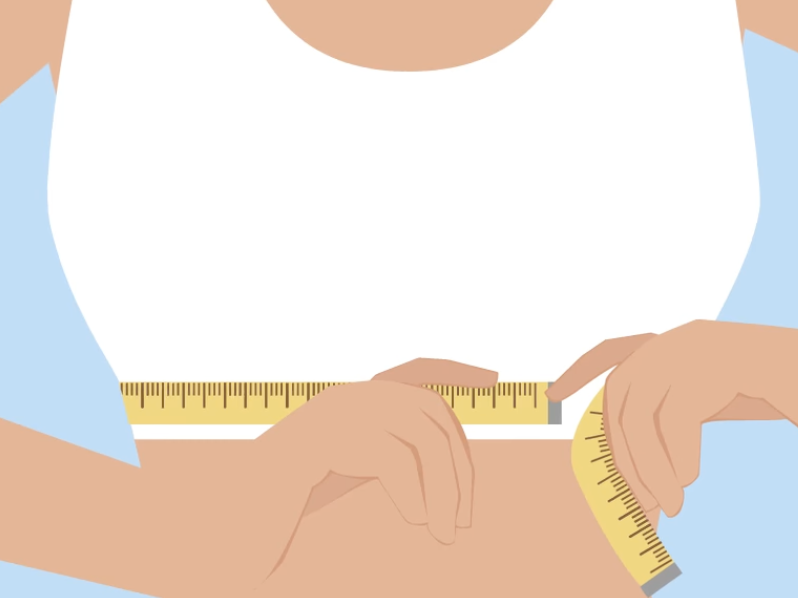
Step 1: Measure Band Size
Measure around your ribcage, just below your bust
Instructions:
Pro Tips:
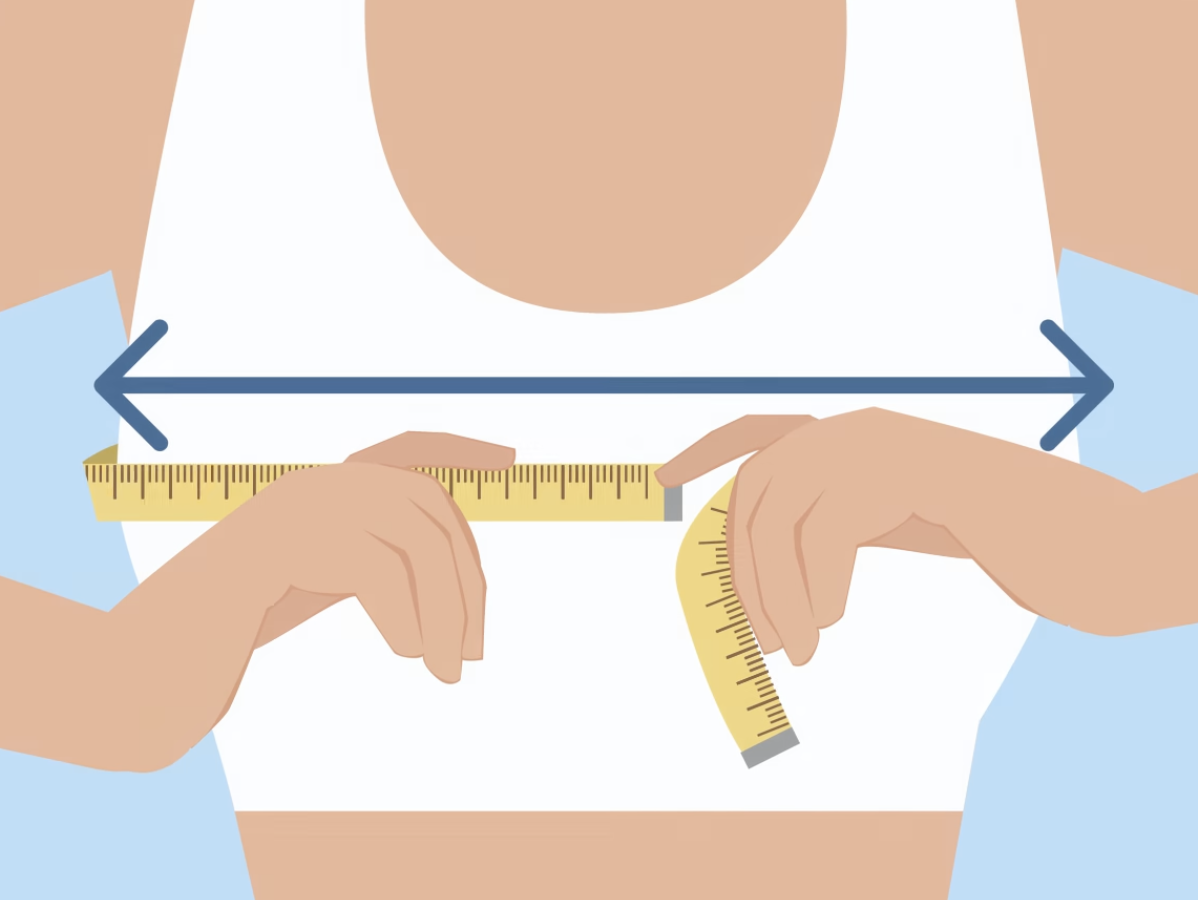
Step 2: Measure Bust Size
Measure around the fullest part of your bust
Instructions:
Pro Tips:
Step 3: Calculate Your Size
Use our calculator to determine your perfect fit
Instructions:
Pro Tips:
Ready to Calculate?
Enter your measurements and get instant results
Video Tutorial
If you need help, watch our detailed video tutorial to learn how to correctly measure your bra size.
Important Tips for Accurate Measurements
Common Measurement Mistakes
❌ Measuring over clothes
Always measure directly on your skin or over a thin, unpadded bra
❌ Pulling the tape too tight
The tape should be snug but not constricting
❌ Measuring at the wrong level
Band measurement should be just below your bust, not at the waist
❌ Not keeping the tape level
Ensure the tape is parallel to the ground all around
Adjust your measurements for real-life scenarios
Full bust / plus size adjustments
Use flexible tape backed with powermesh support; take seated and standing measurements to compare band tension. Log strap groove depths to know when to replace bras.
What to do: Aim for a firm-but-breathable band. If seams dig, switch to multi-part cups with inner slings and revisit sister sizing.
Plus size fit guidePostpartum or hormonal fluctuation
Measure weekly during the fourth trimester or when starting new medication. Capture morning vs evening bust readings to capture swelling changes.
What to do: Keep wireless support handy for tender days and note which hook column felt best after pumping or nursing.
Postpartum sizing tipsAthletic / high-impact training
Record pre- and post-workout rib measurements—core work can temporarily compress the diaphragm. Measure in cross-back posture if you primarily wear sports bras.
What to do: Use the tighter sister band for high-impact days, then loosen for recovery. Log strap slider positions in the rotation checklist.
Sports bra fitting roadmapSet a re-measurement cadence
Monthly spot check
After cycle changes, new workouts, or noticeable weight shifts.
Measure bust and band, compare to your baseline log, and note any strap groove depth or fabric stress.
Quarterly deep audit
Every 3 months or at the start of a new season.
Review all bras for stretched bands (>2 inches), mark replacements, and refresh calculator results.
On-demand remeasure
After pregnancy, surgery, hormonal therapy, or major training changes.
Capture measurements over several days to smooth fluctuations; consult professional fitters if unsure.
Prepare your environment for consistent measurements
- Use a large mirror and bright, even lighting so you can keep the tape level.
- Measure after a lukewarm shower—skin is relaxed and sits naturally on the ribcage.
- Avoid salty meals or high-impact workouts immediately before measuring to prevent temporary swelling.
- Stand with neutral posture (ears over shoulders, ribs stacked) and take one deep breath before reading the tape.
Ready to Calculate Your Size?
Now that you know how to measure, use our calculator to find your perfect fit.